
In the Aosta Valley, there are about 50 peaks of 3000 meters accessible via hiking trails, mainly classified as E (Hikers) or EE (Expert Hikers).
The Aosta Valley is often associated with iconic peaks such as Mont Blanc, the Matterhorn, or Monte Rosa. However, alongside these legendary mountains, there exists a lesser-known yet extremely interesting heritage: a large number of peaks above 3000 meters that, in many cases, are surprisingly accessible even to experienced hikers. These mountains represent a valuable resource for those who want to approach altitude without necessarily facing high alpine difficulties. In summer, many of these peaks can be reached along hiking routes or paths of moderate difficulty, although they always require training, experience, and attention to conditions.
The true strength of this territory lies in the density and variety of these peaks. In different valleys, it is possible to find multiple routes that allow reaching 3000 meters without complex technical passages, making altitude accessible to a broader audience compared to traditional mountaineering. This opens up very interesting possibilities both from a hiking perspective and for those seeking an ideal context for training. One of the most fascinating aspects is the possibility of linking multiple peaks. In the Aosta Valley, it is relatively simple to create multi-day itineraries that allow ascending several peaks above 3000 meters in sequence, connecting huts and valleys. This approach transforms a single hike into a true high-altitude journey, continuous and immersive.
From a training perspective, this type of experience is extremely effective. Long ascents and significant elevation gain allow for endurance training, while the continuity of effort over multiple days stimulates physical adaptation. It is not uncommon to accumulate 1000–1500 meters of positive elevation gain per day, while maintaining contained technical difficulties. For those who practice trail running, these characteristics make the Aosta Valley a true natural gym. The trails offer a great variety of terrains—from runnable mule tracks to rocky areas, up to easy ridges—that help develop strength, balance, and adaptability. Additionally, the ability to alternate more intense days with lighter ones allows for the construction of very effective training blocks. Another key element is altitude. Climbing above 2500–3000 meters means exposing oneself to a lower availability of oxygen.
This stimulates the body to adapt through a series of physiological processes that improve efficiency in oxygen utilization. This process, known as acclimatization, is particularly important for those preparing for mountain or high-altitude competitions. Spending a few days above 2000–2500 meters before a competition can help reduce the impact of altitude on performance, improving the ability to sustain effort. The more accessible peaks above 3000 meters are perfect for this type of work: they allow for quick access to high altitudes, time spent at altitude, and the ability to repeat the experience multiple times in a few days. Adaptation, in fact, is a progressive and cumulative process. Naturally, it is important to remember that this is still an alpine environment. Even if technically accessible, these mountains require attention: the weather can change rapidly, altitude is felt, and accumulated fatigue can affect clarity. Good planning and the ability to listen to one’s body are essential. Beyond the physical aspects, there is also a mental component. Facing several consecutive days in the mountains, managing fatigue, and adapting to environmental conditions helps develop resilience and decision-making skills. These are qualities that make a difference, especially in long-distance races. Ultimately, the Aosta Valley offers a unique context for those who want to work on elevation gain, altitude, and endurance. The numerous peaks above 3000 meters, often accessible, allow for the construction of varied and stimulating training routes. The possibility of linking them and organizing multi-day tours adds an additional level of interest.
Whether preparing for a race, improving physical condition, or simply experiencing the mountains more fully, this territory represents an extraordinary opportunity. An intelligent and effective way to gain altitude, accumulate experience, and at the same time enjoy some of the most beautiful environments in the Alps.

Matteo Stella
Esploratore, guida MTB, Accompagnatore di Media Montagna.
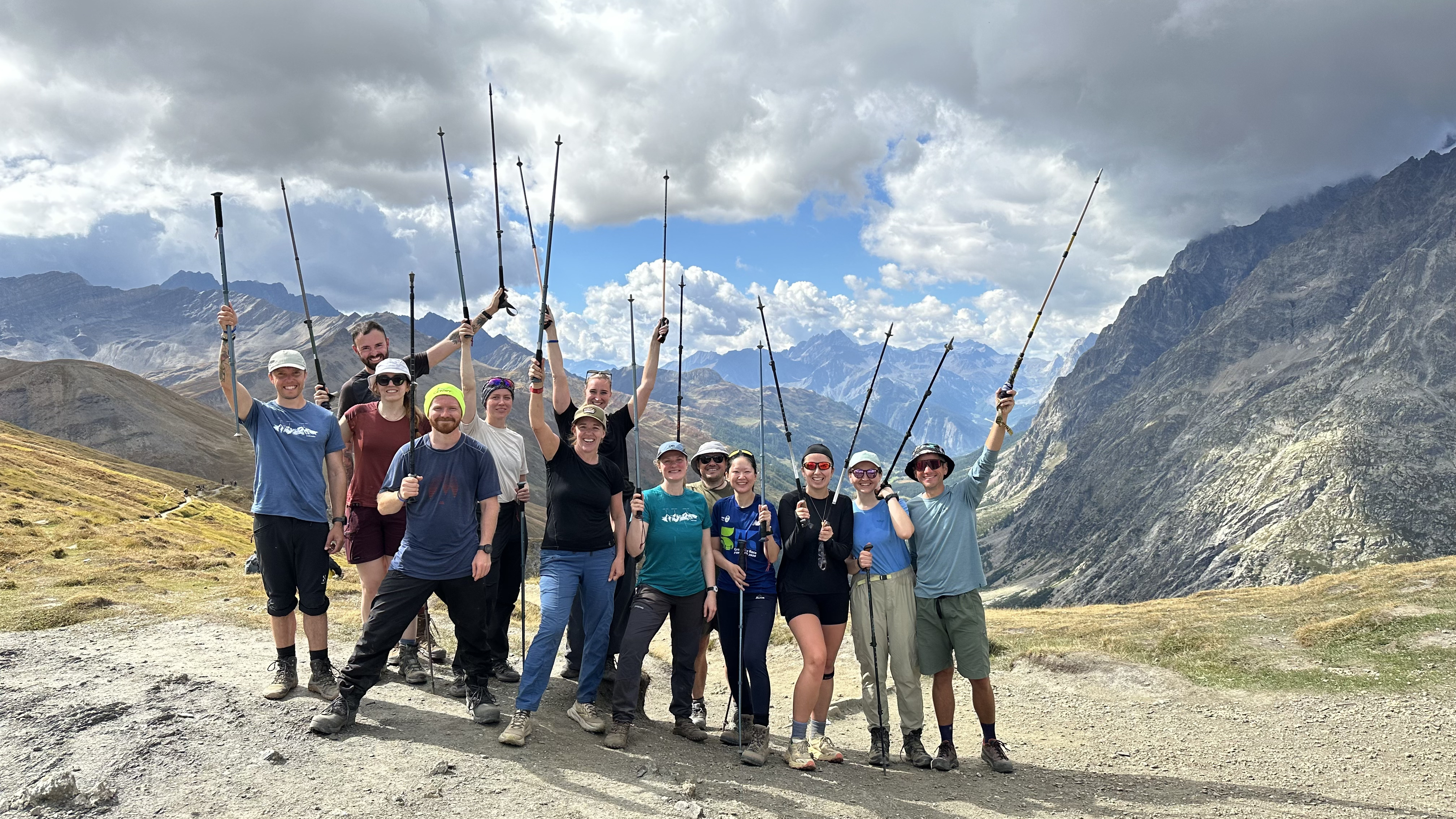
Valle d'Aosta, Italia
Il Trekking dei Giganti: l’Alta via n 1 della Valle d’Aosta
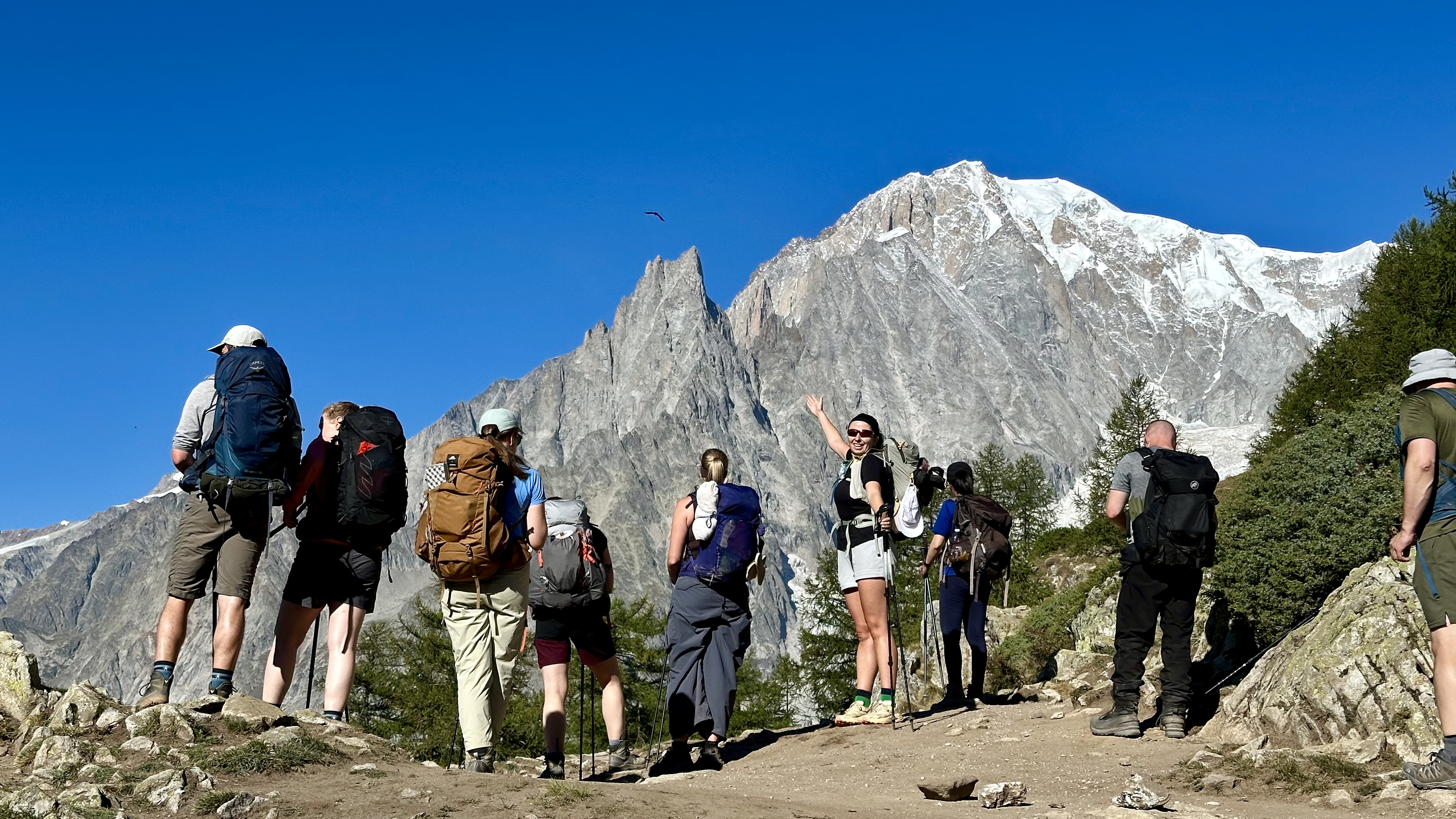
Italia / Francia / Svizzera
Tour del Monte Bianco in tenda
John Muir: IL POSTO DELL'UOMO NELL'UNIVERSO (1916)

Valle d'Aosta