
The added value of a Guide: awareness, training, and sharing with an eye on safety.
Today we are used to consuming the mountain quickly and visually. We arrive at a place, take a photo to post on social media, enjoy the view for a few minutes, and then move on to the next destination. However, often in this process, we miss out on the best parts. Walking along a trail without the tools to interpret it is like watching a foreign film without subtitles: we perceive the colors and aesthetics, but the deep plot escapes us. Relying on someone who lives and studies the mountain every day not only helps us not to lose our way but also radically changes the way our eyes perceive the surrounding environment.
The mountain as a historical and geological archive For an occasional hiker, a rock is just an obstacle or a support for the foot. For those who know how to look, that rock is a fragment of history spanning millions of years. One of the most exciting moments of an outing is when one stops to observe a rock face or a scree and discovers that it contains small marine fossils. Explaining that where snow-capped peaks now rise at 3000 meters, there was once a tropical sea teeming with life radically transforms the perception of time and space. It’s not just geology. Every trail we walk has a "human memory." Many paths that we now consider sports or tourist routes have been, for centuries, the highways of the poor: transhumance routes, communication paths for smugglers, or border lines that were the theater of battles. Discovering the history of a dry stone wall or the remains of an abandoned mountain hut means restoring dignity and voice to the people who shaped that territory through hard work. The mountain stops being a wild playground and becomes a cultural mosaic. The ecology of small details Often the eye rushes towards the great peaks, but the real magic happens beneath our boots. Why does that particular flower only grow in that crack of rock? Why do larch trees only occur at a certain altitude? A guided hike teaches you to notice the survival strategies of alpine flora: from plants that cover themselves with fuzz to retain heat, to those that produce natural antifreeze substances. Then there’s the chapter on fauna. Seeing a wild animal in its habitat is a stroke of luck, but knowing how to read its signals is a skill. Learning to distinguish the alarm call of a marmot, recognize a deer’s footprint in the mud, or understand from its flight whether that distant bird of prey is an eagle or a buzzard adds a layer of adrenaline and excitement that simple walking cannot offer. It’s a kind of "natural literacy" that makes us less strangers and more welcome guests in the woods. Safety as a foundation for contemplation There’s a fundamental psychological aspect to being accompanied: the release from anxiety. When we walk alone in unfamiliar territory, part of our mind is constantly occupied with tracking the trail, orienting ourselves, and checking the time to avoid being caught by darkness or gathering clouds. This "background noise" in our minds reduces our capacity for observation. Being able to delegate the technical management of safety to a professional allows the hiker to enter a state of "full attention." It is at that moment that we notice the scents of resin, the sound of the wind among the larches, or the play of light on the rock walls. Safety is not just about preventing injuries; it is the necessary precondition for enjoying the silence and harmony of the landscape without distractions. Conclusion: returning home with new eyes The value of a hike is not measured by the kilometers traveled or the elevation gained, but by the number of questions we have asked ourselves and the answers we have found along the way. An accompanied outing should leave you with a strange feeling: that you have seen the same place you have visited before, but finally understood it. Changing our perspective on the mountain also means learning to respect it more. Those who learn how long it takes for a lichen to grow or how fragile the balance of a peat bog is will not need signs prohibiting them from stepping on them: they will do so out of instinct and awareness. Ultimately, being guided is an investment in one’s personal culture, a way to turn every step into a small, great discovery.

Matteo Stella
Esploratore, guida MTB, Accompagnatore di Media Montagna.
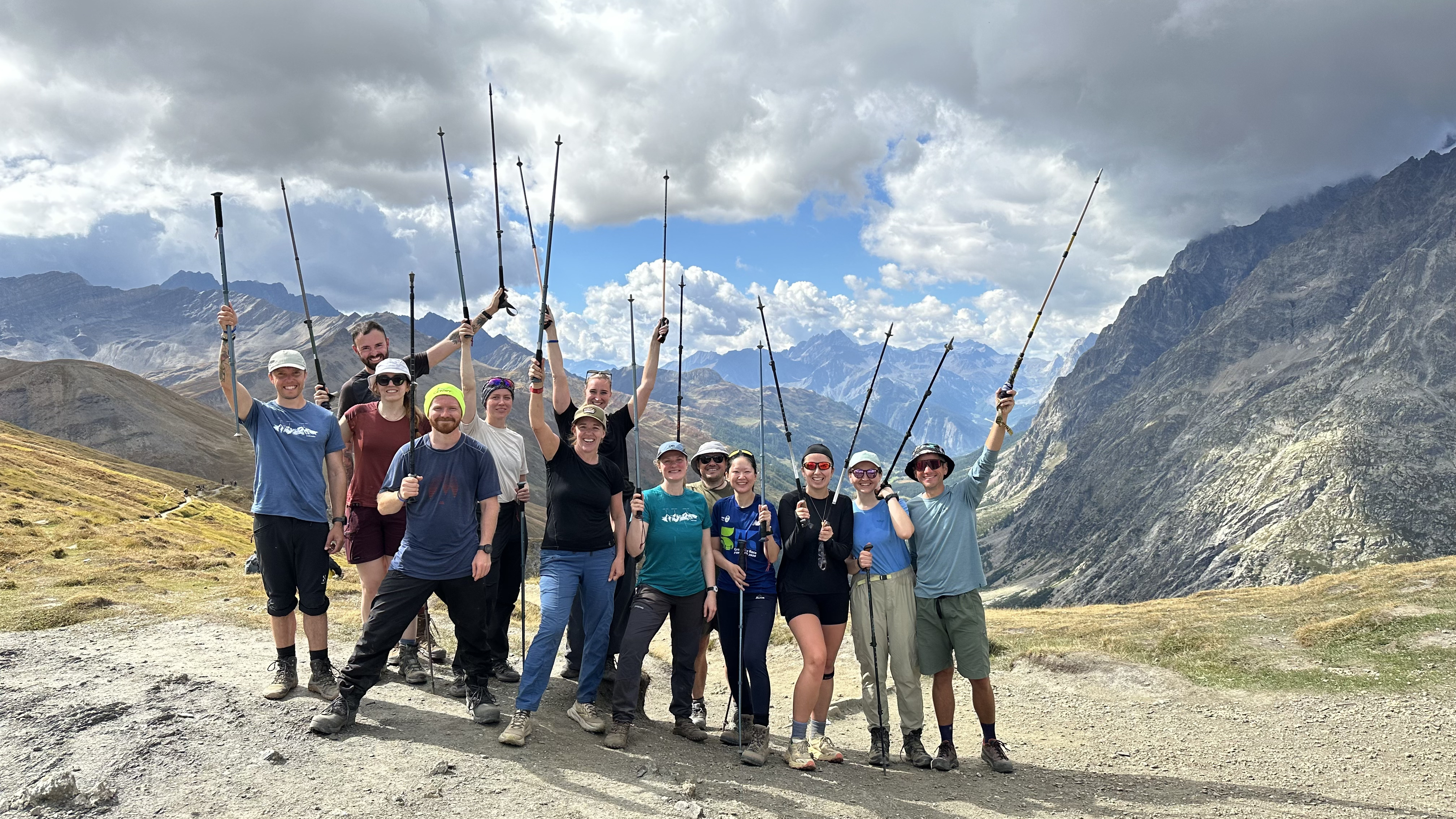
Valle d'Aosta, Italia
Il Trekking dei Giganti: l’Alta via n 1 della Valle d’Aosta
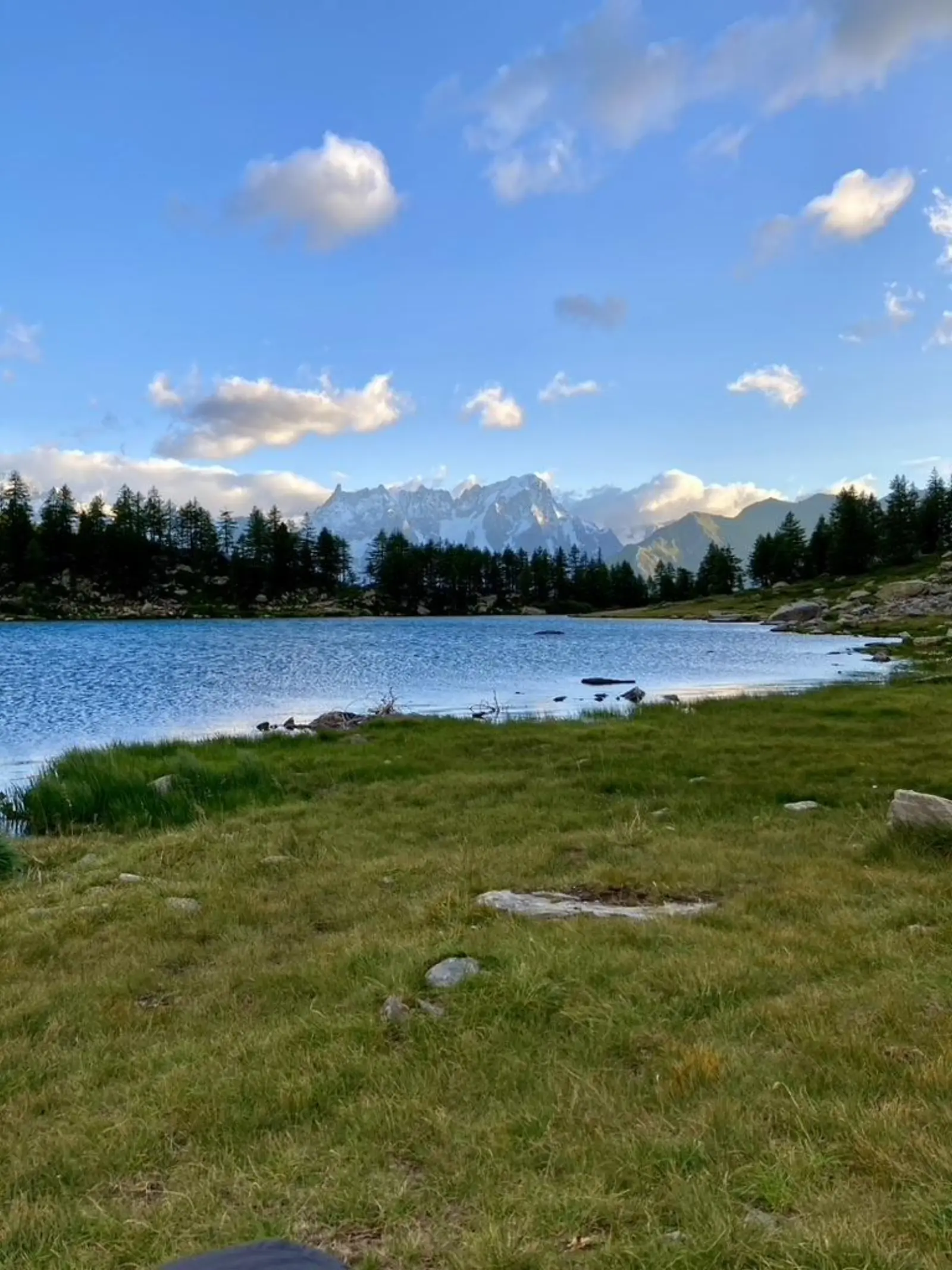
Valle d'Aosta, Italia
Col Croce & Lago d'Arpy Ebike
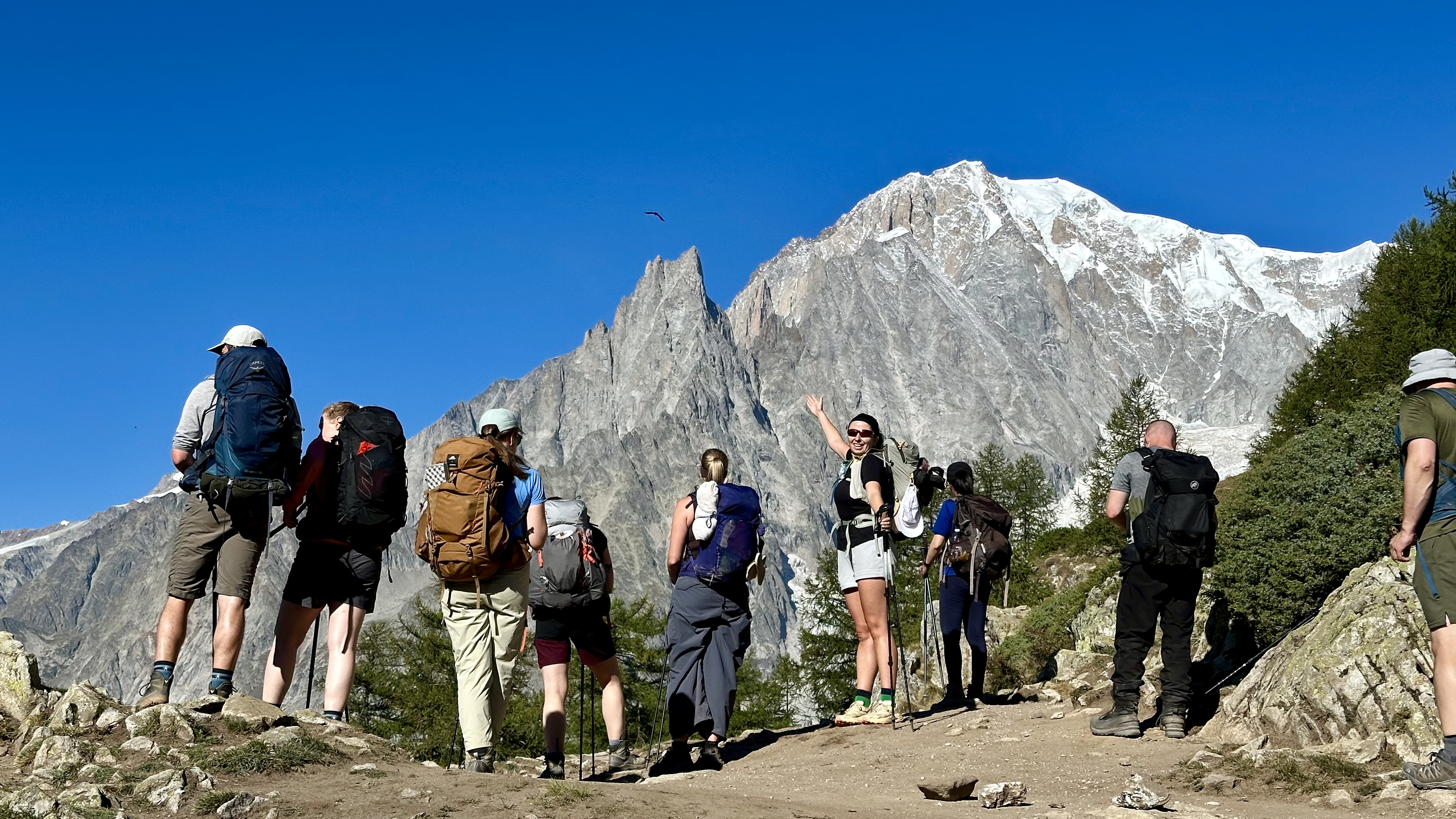
Italia / Francia / Svizzera
Tour del Monte Bianco in tenda
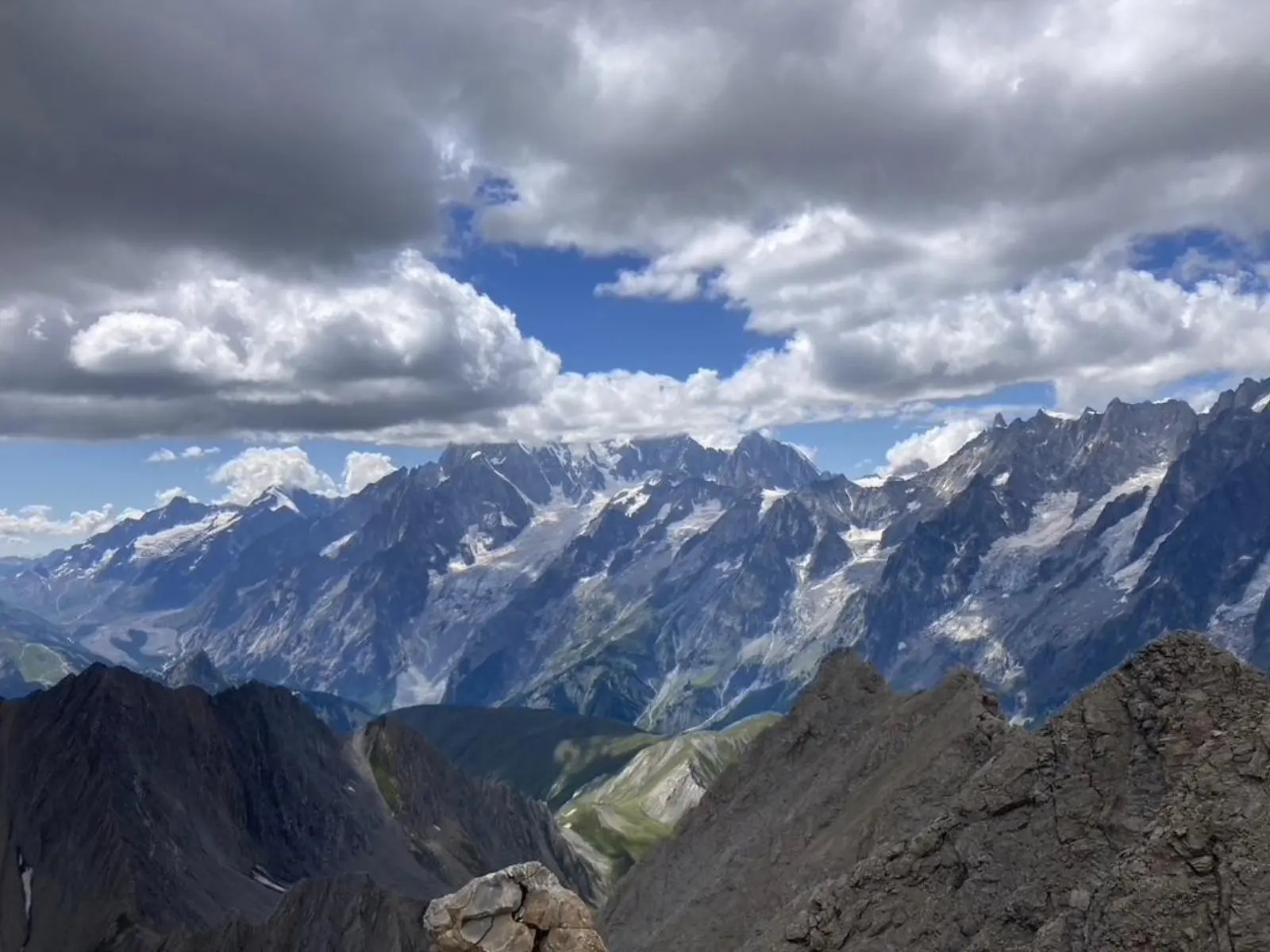
Valle d'Aosta
Leggere il cielo: piccola guida di meteorologia alpina per escursionisti consapevoli

Valle d'Aosta